

Internal Pelvic Release Work.
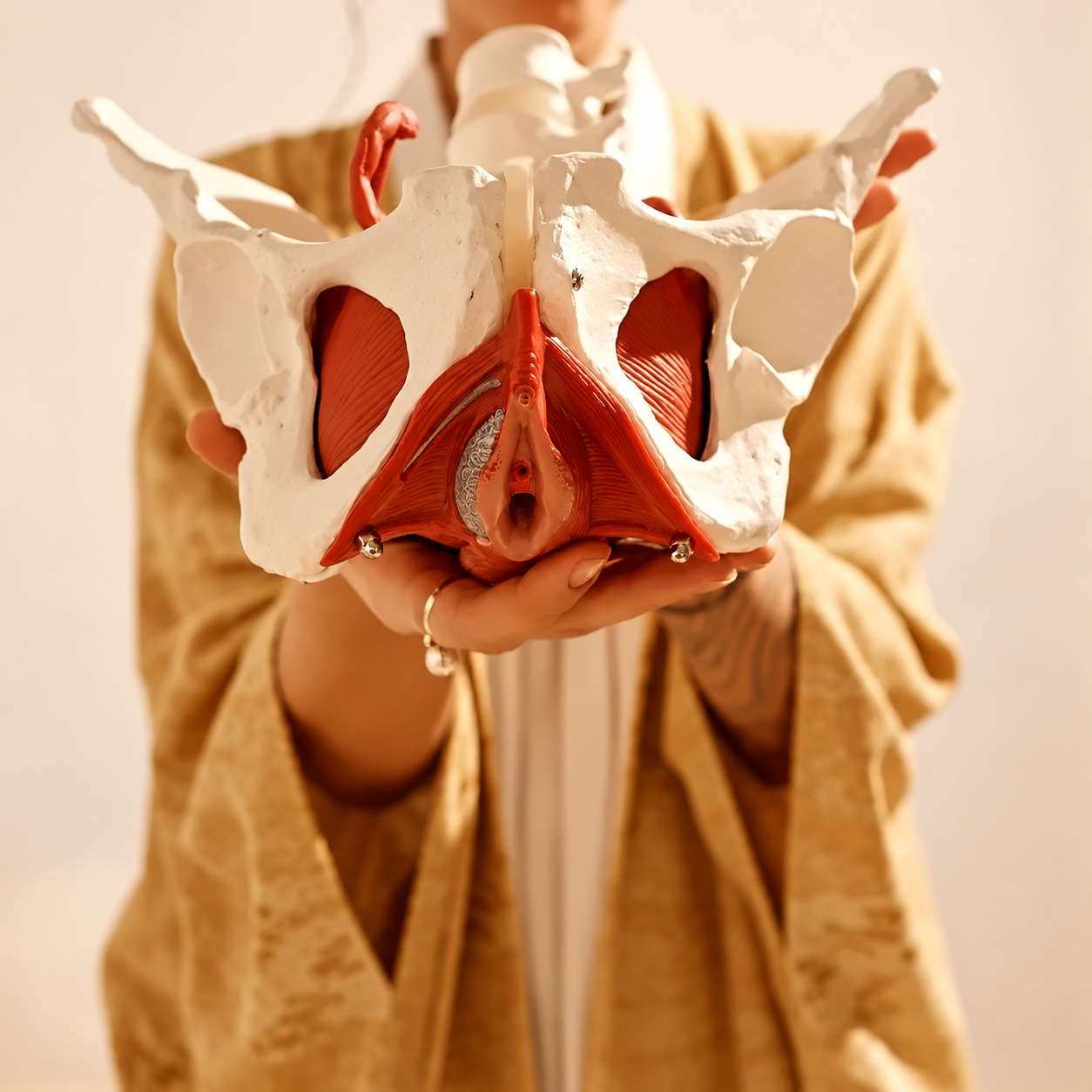
For women preparing for birth, healing from birth or ready to get to know their pelvic space.
Our pelvis holds so much, it deserves attention.
The pelvis holds an incredible amount both physically and emotionally. She is the protective container that houses our precious reproductive anatomy, structurally she supports the weight of our bodies, our pregnancies and facilitates most of our movement. Yet many of us know very little about her, let alone how to soften, open and connect to her.
Internal Pelvic Release is gentle, hands-on work that meets the tension that accumulates within the pelvic space with softness and reverence. This work is for women preparing for birth, healing from birth, or ready to stop living with pain and dysfunction.
Why Internal Pelvic Release?
The only therapeutic internal touch most women have experienced is a pap smear or a cervical check. quick, clinical, and usually something to brace through. We often hold our breath and disconnect from the very part of our body we're asking to soften.
Your pelvic floor isn't just a muscle to strengthen. It's a living, responsive web of tissue that needs to soften as much as it needs to support.
Tension can come from past injuries, the way you sit at a desk all day, a previous birth, surgery, a hard experience you've never really talked about. It settles into the ligaments, muscles and fascia that rest within your pelvis.
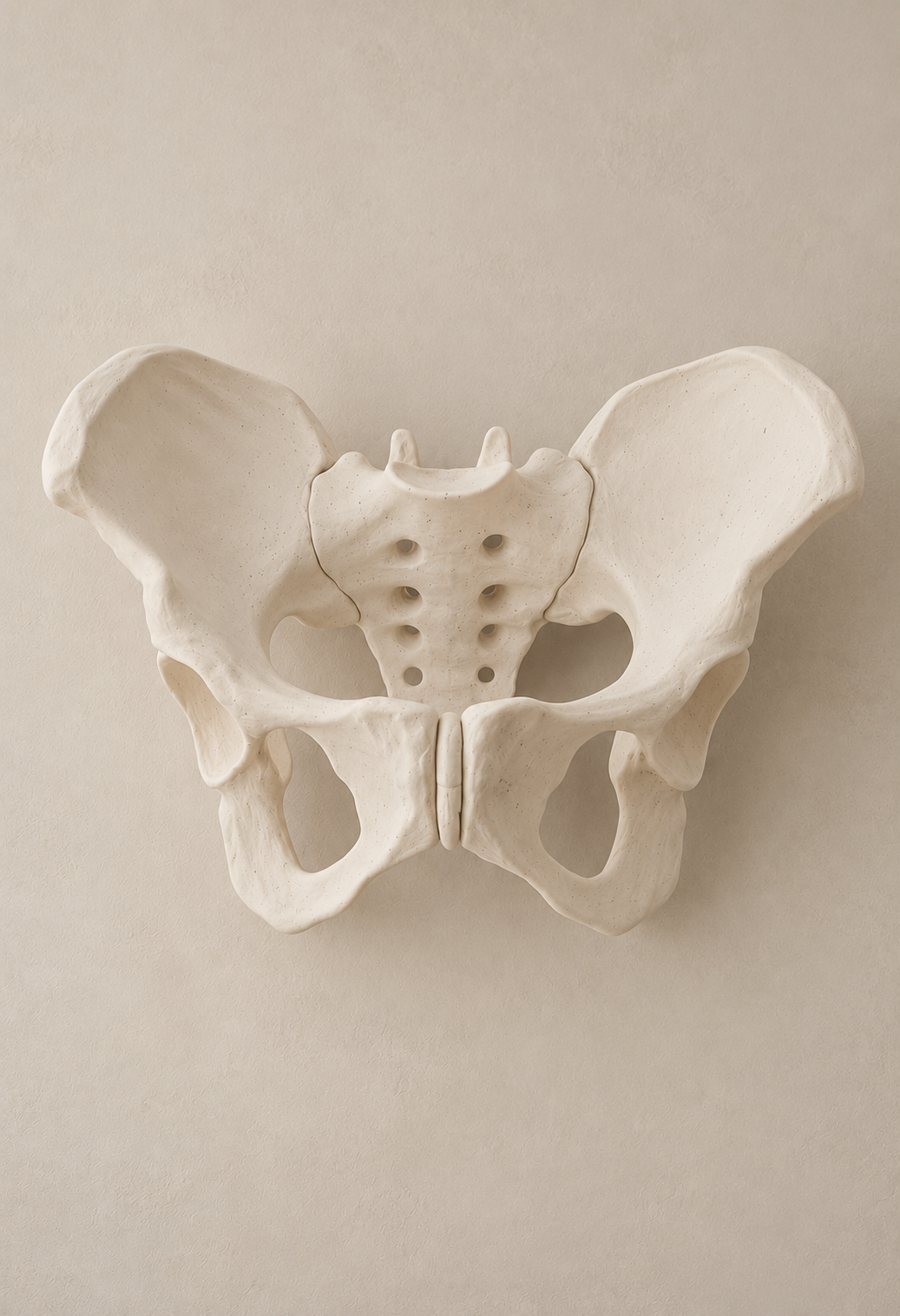
Who is Internal Pelvic Release work for?
This work has such a broad spectrum of application that it’s almost easiest to say if you are a woman with a pelvis and a portal of entry to the internal pelvic space via the vulva/ vagina then you will find benefit from this work.
Trying to conceive
Pregnant and wanting to prepare for birth.
Healing from birth.
Experiencing discomfort/ dysfunction within the pelvic space.
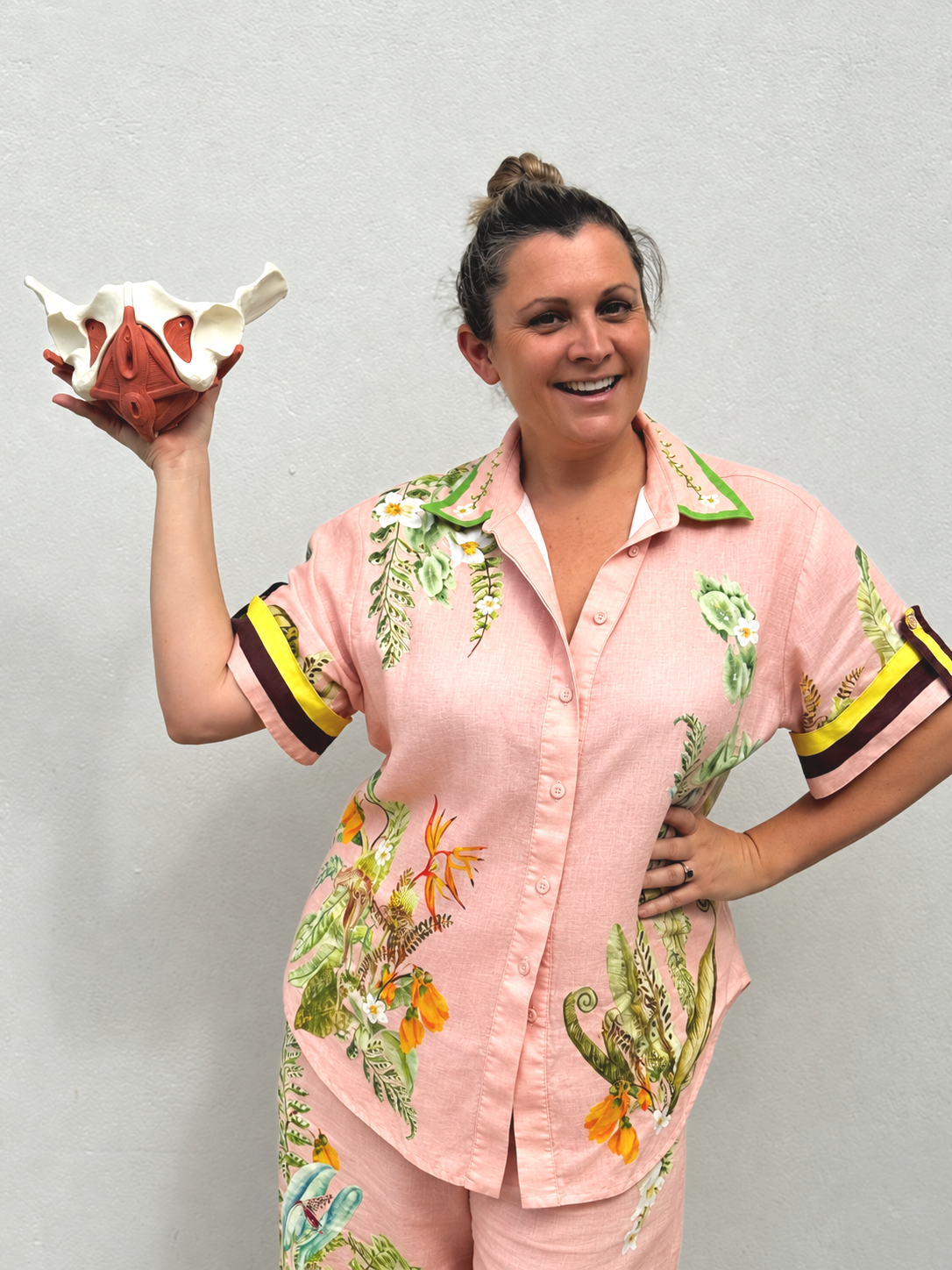
Internal Pelvic Release with Emma
My first experience with Internal Pelvic Release Work was in my first pregnancy, I had heard about the experiences of other women I knew who had seen Fiona Hallinan in melbourne from The Pelvic Space. I contacted Fiona and sought out one of the only practitioners in Sydney that offered similar work at the time.
I remember being amazed at the sensations, the pockets of tension I didn’t even know where there and this sense of vastness within my pelvic space. I had 2-3 sessions in my third trimester as part of my birth preparation and had a wonderful first birth. I also used the work in my second pregnancy and went onto have a magic water birth.
After my own experience with IPRW I knew I wanted to bring this work to the women I care for and had been waiting for a few years to study with Fiona, finally in 2026 I completed her course and am ready to bring this work to my community on Sydney’s Northern Beaches.
Frequently Asked Questions
Still have questions? Take a look at the FAQ or reach out here anytime.
-
Internal Pelvic Release is gentle, hands-on bodywork that works through the back wall of the vagina to reach the ligaments, muscles and fascia supporting the pelvis and womb. Using slow touch and guided breath, it aims to soften held tension. Emma Burridge offers it at The Birth Movement on Sydney's Northern Beaches.
-
It helps you get to know your pelvis and practise releasing rather than bracing before labour. Women commonly report feeling more connected and confident going into birth. One of the aims is to dissolve tension in the tissues as a way to create space for baby to move into and through. It's one part of preparation, alongside education, acupuncture and support from your care team.
-
Yes absolutely. Women come for pelvic tension, painful sex, period or pelvic pain, pelvic floor concerns, changes through perimenopause, or simply to understand their bodies better.
-
Birth Preparation sessions are recommended from 36 weeks. Many women book alongside their birth preparation acupuncture. If you are wanting a session prior to 36 weeks please contact me directly to discuss suitability.
-
Yes, this work can be a gentle way to reconnect with your body after a vaginal or caesarean birth. it’s important to let the womb and vaginal/ vulva area have time to heal and contract prior to any internal work and that can take upto 12 weeks.
-
Most women describe it as unfamiliar rather than painful. The pressure is always matched to what feels right for you, and I’ll always be guided by you and checking in throughout. Some areas soften quickly, others need more time.
-
You might, and that's completely okay. The pelvis can hold memories as well as tension, so some women cry, some laugh, and some simply feel calm. Whatever comes up is welcome, and we go at your pace.
-
It depends on you and what we find together. One session is often enough to get you started, especially with practices to continue at home. Some women choose two sessions in late pregnancy, a few weeks apart. For postpartum or women's health concerns, it's often one or two sessions spaced six to eight weeks apart as the second session allows the tissues to respond further. Others find they need a “tune up” every 6 months if they become symptomatic again.
-
Plan to take it easy for a couple of days, sometimes the tissues “gossip” for a few days following, so you may feel tender. Stay hydrated, have a warm bath and a nourishing meal, and let your body settle into what has shifted.
-
No, IPRW is holistic pelvic care. Pelvic floor physio assesses and treats muscle function, the approach is more clinical. Internal Pelvic Release focuses on softening the ligaments, fascia and muscles of the whole pelvis. Where it's needed, I'll refer you to a pelvic floor physio.
-
No, not internally. As an Acupuncturist I am trained in external pelvic floor needling and can offer this during a session if it is require/ appropriate. We'll talk through what combination makes sense for you.
-
No. Your consent is sought before anything happens, and you can stop at any time. We can keep the session to education and external work if that feels better at the time
-
It's usually more comfortable for you to book when you are not bleeding or at least try and avoid your heavier days. That being said menstrual cycles can be unpredictable, light bleeding is usually ok, it just depends on your comfort levels. Let me know and we'll decide together.
-
No preparation needed. Wear something comfortable and bring any questions you have.

How a session looks
The initial session is 2 hours, nothing is rushed, everything is on your terms
-
Best performed around 4-6 weeks post your 2nd skin needling appointment to give the skin time to heal and regenerate and maximise the cumulative effects of the treatment.
-
This Final Appointment is best scheduled around 3-4 weeks post the final skin needling appointment. This way we can get a clear idea of how far your skin has come and make a plan for maintenance appointments.
-
Once the initial treatment protocol has been completed a maintenance routine of Cosmetic Acupuncture every 4-6 weeks and Skin needling every 3-6 months is recommended.